
Exosomes vs Polynucleotides vs PRP: Which Regenerative Treatment, When?
Regenerative aesthetics has given clinicians a growing toolkit for improving skin from within — and patients a lot of confusing choices. Exosomes, polynucleotides and platelet-rich plasma (PRP) all promise to rejuvenate the skin by stimulating its own biology rather than filling or freezing it, yet they differ in how they work, how strong their evidence is, and where they sit legally. Knowing the differences lets you choose well and explain clearly.
Polynucleotides
Polynucleotides — typically purified DNA fragments, often from salmon — act as biostimulants, improving hydration and stimulating fibroblasts to enhance skin quality over a course of treatments. They have a growing evidence base and, importantly for UK clinics, a clearer regulatory footing than some regenerative options. They are a strong, well-tolerated choice where the goal is improving the quality and resilience of the skin itself.
Platelet-rich plasma (PRP)
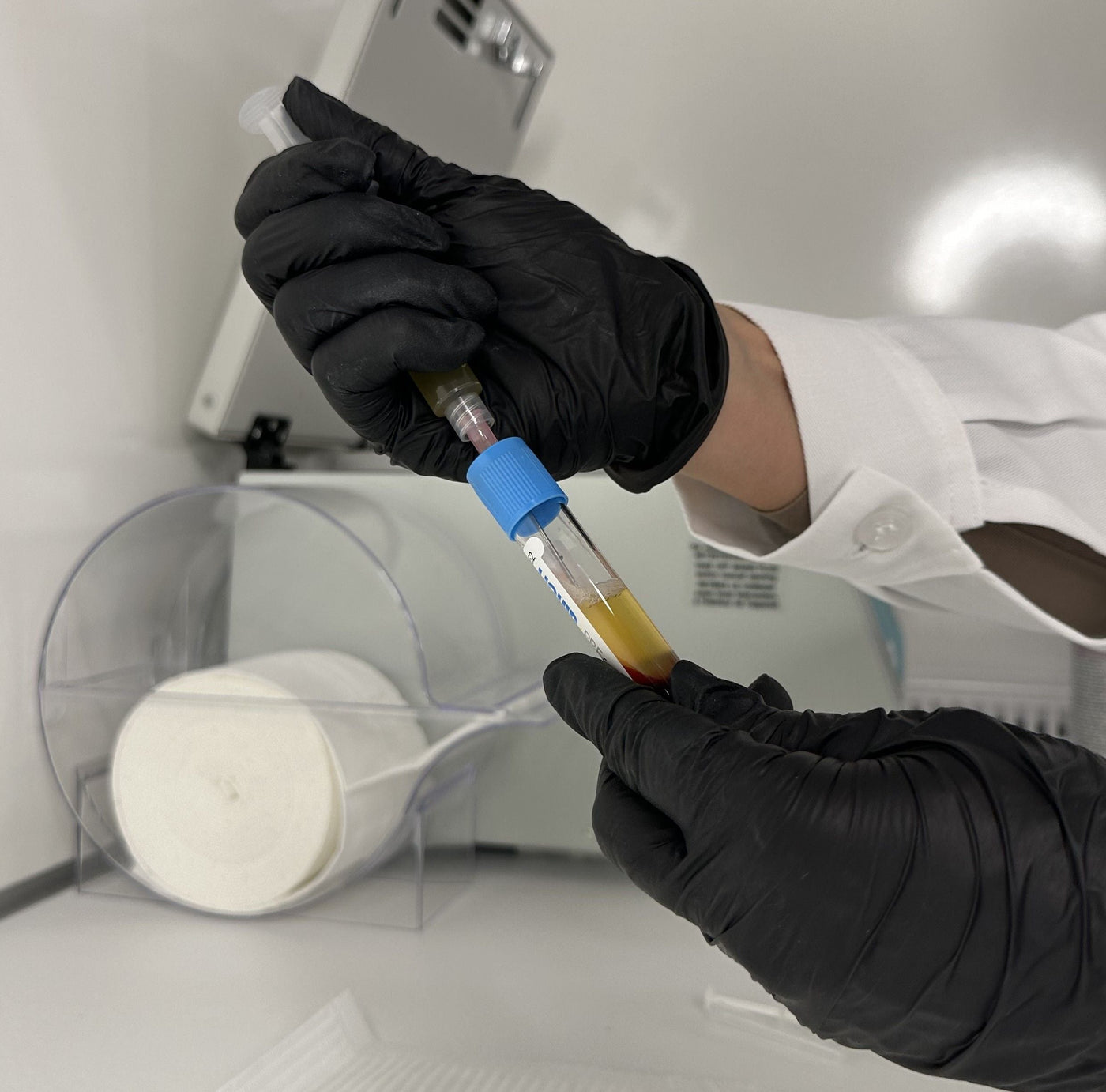
PRP uses a concentrate of the patient’s own platelets, prepared from their blood, to deliver growth factors that support repair and rejuvenation. Because it is autologous, it appeals to patients who prefer a “natural” treatment, and it has been studied fairly extensively in facial rejuvenation, though the quality and consistency of the evidence vary. It requires a blood draw and careful preparation, and results depend partly on the patient’s own biology.
Exosomes
Exosomes are tiny vesicles that carry signalling molecules between cells, and interest in them is intense — but they are also the most contested of the three. The clinical evidence in aesthetics remains limited compared with the hype, and, crucially, their regulatory status in the UK is a grey area, with real questions around sourcing and the legality of injectable products. That does not make them uninteresting, but it does demand particular caution and honesty.
How to choose — and how to explain it
The right choice depends on the goal, the evidence you are comfortable standing behind, and the regulatory position you are willing to occupy. For many UK clinics, polynucleotides offer the most comfortable balance of evidence, tolerability and regulatory clarity for skin-quality work; PRP suits patients who value an autologous approach; and exosomes call for the most caution and the most careful patient conversation. There is rarely a single “best” — only the best fit for a particular patient and concern.
Be honest about the evidence
Whatever you offer, represent it accurately. Regenerative treatments are genuinely promising, but the evidence is stronger for some than others, and patients deserve a realistic account rather than marketing gloss. Honesty here is not just ethical — it is a legal expectation in how you advertise and consent, and it is what builds lasting trust.
Exosomes, polynucleotides and PRP are complementary options, not interchangeable ones. Understand how each works, where its evidence and regulation stand, and match the treatment to the patient — and you can guide people through a confusing area with genuine authority.
References
- Exosomes in Skin Rejuvenation: Systematic Review of Anti-Aging Effects and Clinical Applications. Dermatology Practical and Conceptual. 2025.
- Lampridou, et al. The Effectiveness of Polynucleotides in Esthetic Medicine: A Systematic Review. Journal of Cosmetic Dermatology. 2025.
- Use of platelet-rich plasma for skin rejuvenation. Skin Research and Technology. 2024.
- Effectiveness of Extracellular Vesicle Application in Skin Aging Treatment and Regeneration: Do We Have Enough Evidence from Clinical Trials? International Journal of Molecular Sciences. 2025;26(5):2354.