
Treating Skin of Colour: Safe and Effective Protocols Across Fitzpatrick Types

Aesthetic medicine has not always served darker skin tones well, with much of its foundational technique and technology developed on lighter skin. For a new clinic, competence in treating skin of colour is both an ethical duty and a real opportunity — but it demands specific knowledge, because the same treatment delivered the same way can carry different risks across the Fitzpatrick spectrum.
Understand the key difference: pigment response
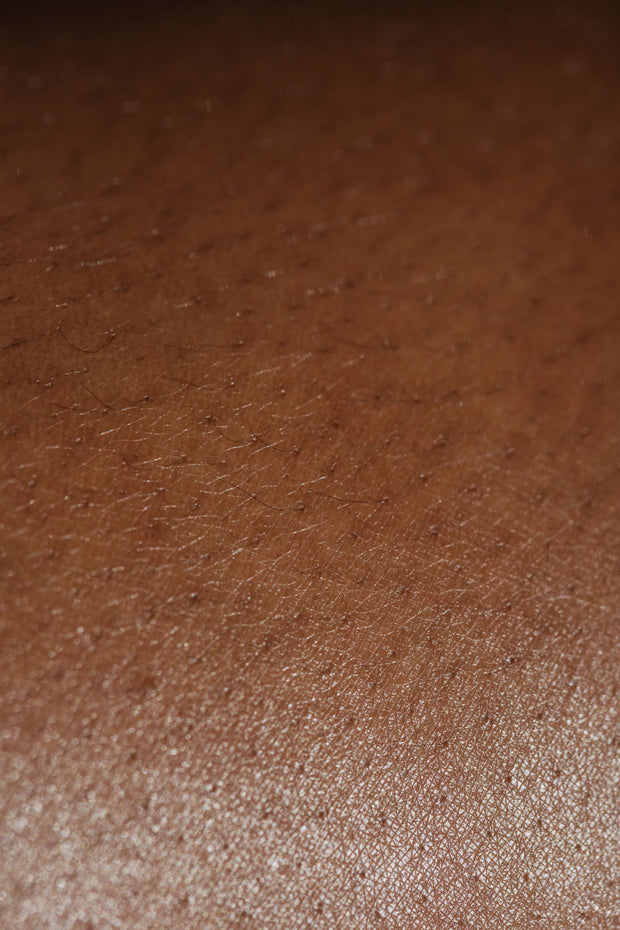
The central consideration in skin of colour is the tendency of more melanin-rich skin to respond to inflammation or injury with pigmentary change — most commonly post-inflammatory hyperpigmentation (PIH). Almost any procedure that causes heat, trauma or inflammation can trigger it if not managed carefully. Recognising this risk, and planning to minimise it, is the foundation of safe practice across all skin tones.
Choose and set your devices carefully
Energy-based and resurfacing treatments carry the greatest pigmentary risk. Where devices are used, appropriate technology, conservative settings, adequate cooling and cautious, test-led approaches matter more than ever. Some wavelengths and modalities are better suited to darker skin than others, and radiofrequency microneedling and certain lasers have specific evidence in skin of colour — use the tools and settings the evidence supports rather than a one-size-fits-all protocol.
Prepare and protect the skin
Managing pigment starts before, and continues after, the procedure. Careful patient selection, priming the skin where appropriate, gentle technique, diligent sun protection and a considered aftercare plan all reduce the risk of PIH. A systematic, preventive approach — rather than treating pigmentation only once it appears — is what the evidence supports and what patients deserve.
Injectables in skin of colour
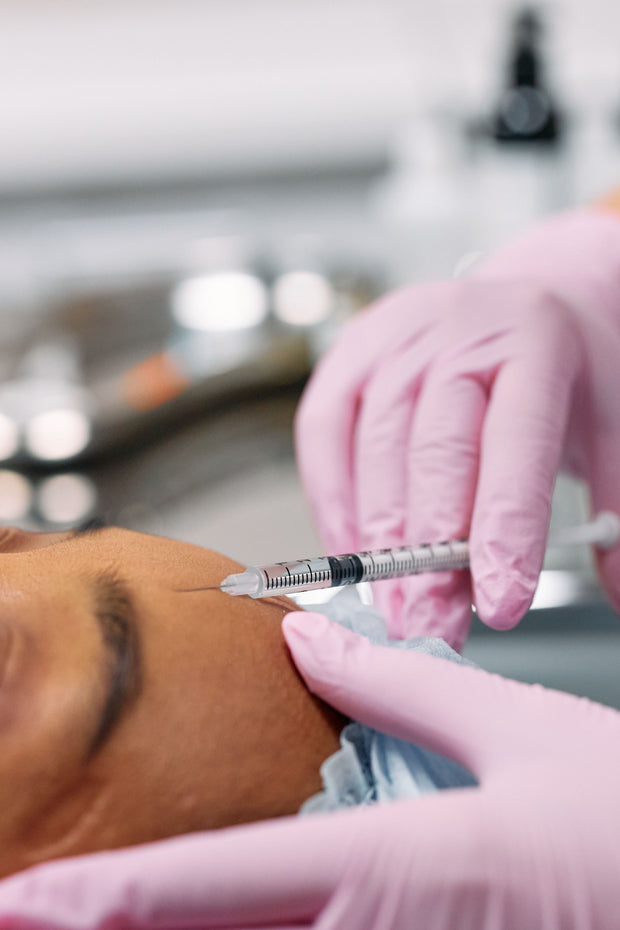
Injectables such as toxin and filler are generally well tolerated across skin tones, but good technique still matters: minimising trauma, limiting the number of injection points where sensible, and being mindful of keloid or scarring tendencies in predisposed individuals. As always, the safest approach is gentle, precise and informed by the individual’s history.
Build genuine competence
Treating skin of colour well is a skill to be learned, not assumed. Seek out training, evidence and mentorship specific to diverse skin, and be honest about the limits of your experience. Patients of colour have too often been let down by practitioners who applied lighter-skin protocols uncritically — the clinic that genuinely understands their skin earns deep loyalty.
Safe, effective treatment across the Fitzpatrick spectrum comes down to respecting how melanin-rich skin responds, choosing treatments and settings the evidence supports, and preventing pigmentary change rather than chasing it. Get that right and you serve a wider community better than most.
References
- Prevention of Post-Inflammatory Hyperpigmentation in Skin of Colour: A Systematic Review. Australasian Journal of Dermatology. 2025.
- Review of Laser Treatments for Post-Inflammatory Hyperpigmentation in Skin of Color. Journal of Clinical and Aesthetic Dermatology. 2023.
- Radiofrequency and Radiofrequency Microneedling in Skin of Color: A Review of Usage, Safety, and Efficacy. 2023.

Dr Emmaline Ashley
Aesthetic Doctor · GMC 7582958 · COO of Harley Supplies
Dr Emmaline Ashley is an aesthetic doctor and published researcher in aesthetic medicine, with peer-reviewed work spanning product safety, regenerative treatments and medical education. She is a member of the Acquisition Aesthetics clinical faculty.