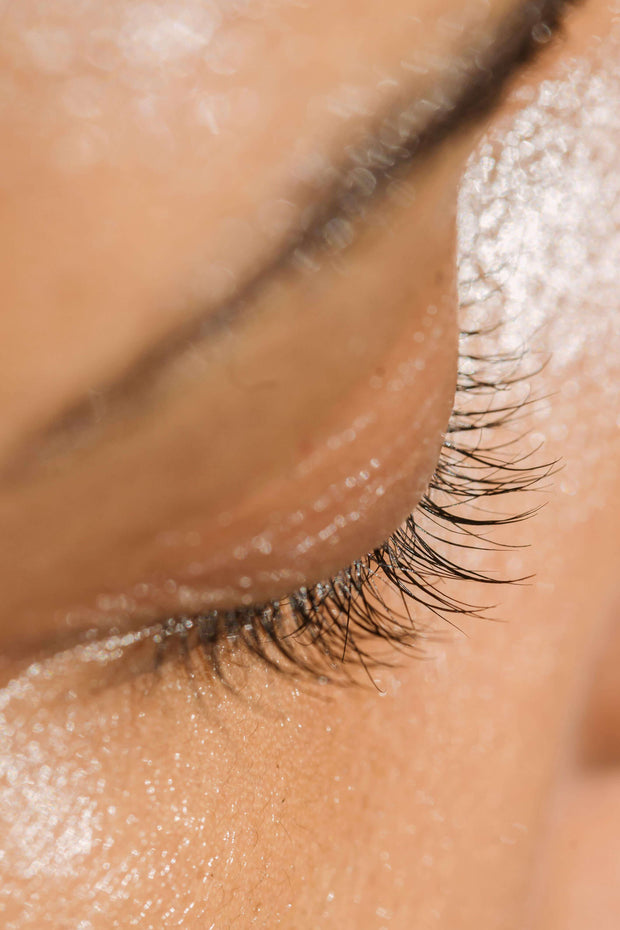

Polynucleotides for the Under-Eye: Protocols, Expectations and Patient Selection
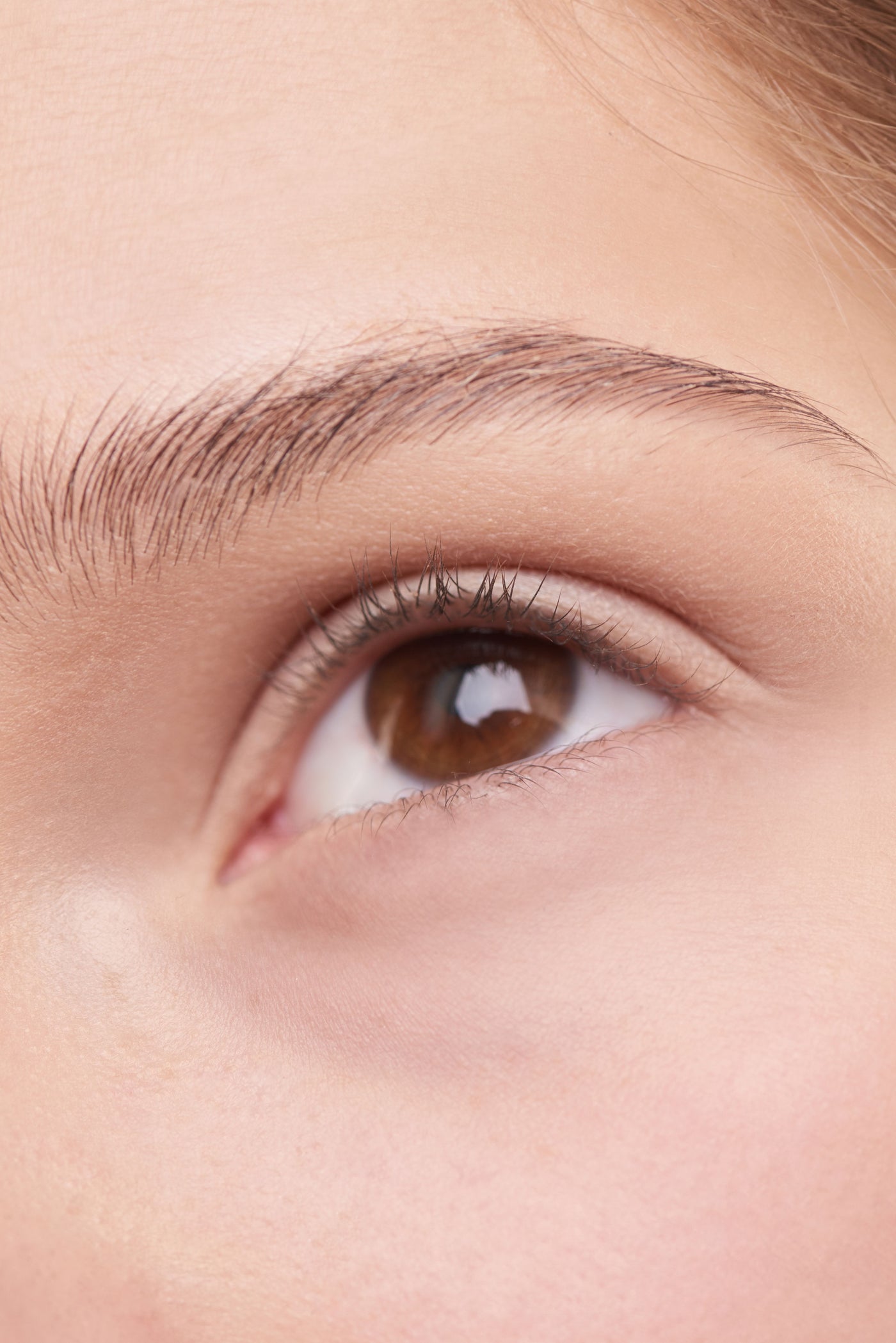
The under-eye is one of the most requested and least forgiving areas in aesthetics. Traditional hyaluronic acid filler in the tear trough can be transformative in the right patient, but it is technically demanding and unforgiving of error — and it does nothing for the thin, crepey, dark-toned skin that is often the real problem. Polynucleotides offer a different, skin-focused route to periorbital rejuvenation, and for the right patient they can be a more appropriate first step than filler.
Why the under-eye is different
The periorbital skin is the thinnest on the face, sitting over a complex, high-risk anatomy. Many patients troubled by their under-eyes do not have a true volume deficit at all; they have poor skin quality — fine lines, thinning, laxity and a dull, shadowed texture. Reaching for volume in these cases can worsen puffiness or look unnatural, whereas improving the skin itself addresses the actual concern.
What polynucleotides do here
Polynucleotides act as biostimulants, supporting the skin’s own repair processes — improving hydration, stimulating fibroblasts, and gradually enhancing the density, elasticity and quality of the delicate periorbital skin. Rather than filling a hollow, they improve the canvas, which is often exactly what the tired-looking under-eye needs. They are also frequently suitable for patients who are poor candidates for, or wish to avoid, filler in this area.
Who is a good candidate
The ideal candidate has skin-quality concerns — fine lines, crepiness, thin or dull under-eye skin — rather than a pure volume deficit that only structural correction would address. As always, careful assessment is everything: distinguishing a skin-quality problem from a true volume or anatomical one determines whether polynucleotides, filler or a combination is the right answer. Patient selection is where good under-eye results are won or lost.
Protocol and what to expect
Polynucleotides are typically delivered as a short course of treatments spaced a couple of weeks apart, with maintenance thereafter, using careful superficial technique appropriate to the delicate area. Results build gradually as the skin responds, rather than appearing instantly. Follow the manufacturer’s protocol, use sound technique learned through proper training, and treat this area with the respect its anatomy demands.
Set realistic expectations
Manage expectations from the first consultation. Polynucleotides improve skin quality over a course; they are not an instant fix for a deep hollow or significant under-eye bags, and patients expecting the immediate change of a well-placed filler may be underwhelmed if not properly informed. Framed correctly — as a gradual improvement in the health and quality of the under-eye skin — they deliver results patients are genuinely pleased with.
For the tired, crepey, skin-quality under-eye, polynucleotides are a valuable and often safer first option than filler. Select the right patient, treat the skin rather than chase volume, and set expectations honestly — and the periorbital area becomes far less daunting to treat well.
References
- Squadrito F, et al. Pharmacological Activity and Clinical Use of PDRN. Frontiers in Pharmacology. 2017;8:224.
- Hyaluronic Acid Fillers Versus Polynucleotides for Under-Eye Rejuvenation. Journal of Clinical Medicine. 2026;15(13):4971.
- Lampridou, et al. The Effectiveness of Polynucleotides in Esthetic Medicine: A Systematic Review. Journal of Cosmetic Dermatology. 2025.
- A literature review on polynucleotide efficacy on skin rejuvenation, and the regulatory status and guidelines around polynucleotides. Journal of Aesthetic Nursing.

Dr Emmaline Ashley
Aesthetic Doctor · GMC 7582958 · COO of Harley Supplies
Dr Emmaline Ashley is an aesthetic doctor and published researcher in aesthetic medicine, with peer-reviewed work spanning product safety, regenerative treatments and medical education. She is a member of the Acquisition Aesthetics clinical faculty.