
The Complete Guide to Microneedling with SkinPen Precision: Science and Clinical Applications
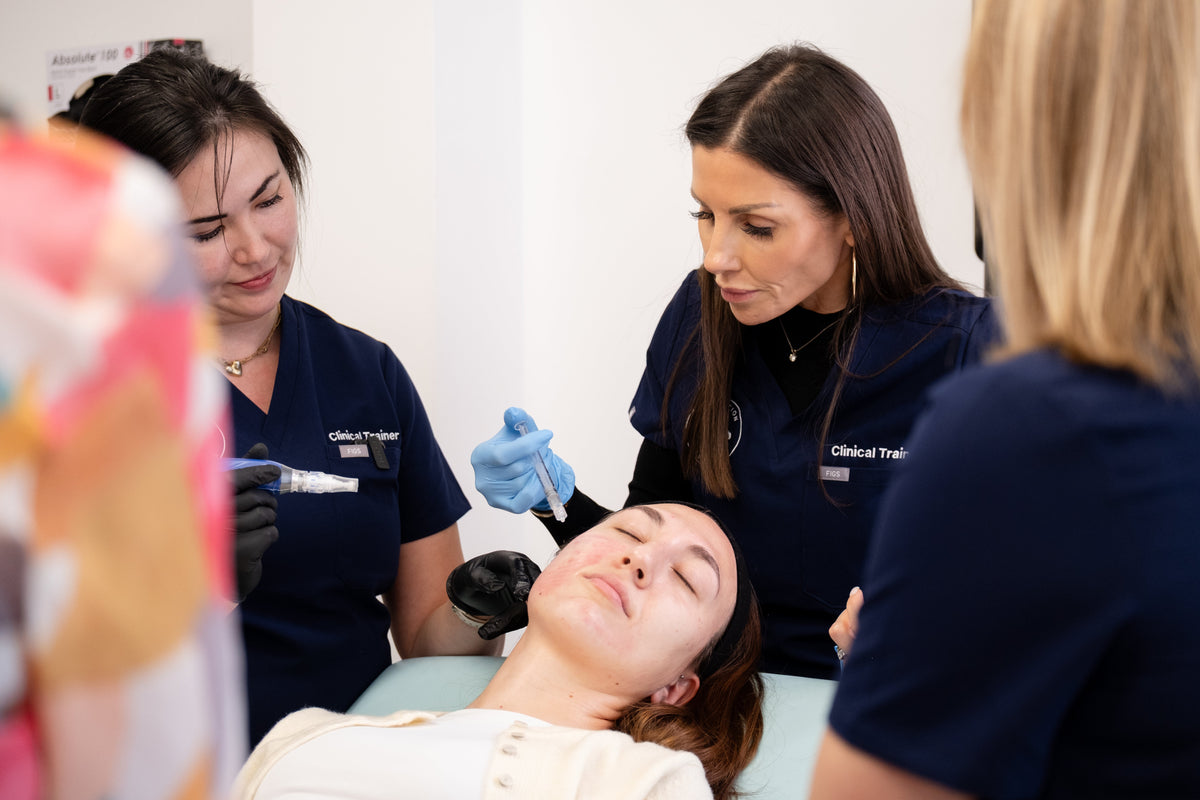
Microneedling has emerged as one of the most versatile and evidence-based treatments in aesthetic medicine. As practitioners seek minimally invasive solutions that deliver consistent results across all skin types, understanding the science behind collagen induction therapy becomes essential for optimising patient outcomes.
This comprehensive guide explores the mechanisms of action, clinical indications, and evidence-based protocols for microneedling with SkinPen Precision—the world's first FDA-cleared and CE-marked microneedling device.

What is Microneedling?
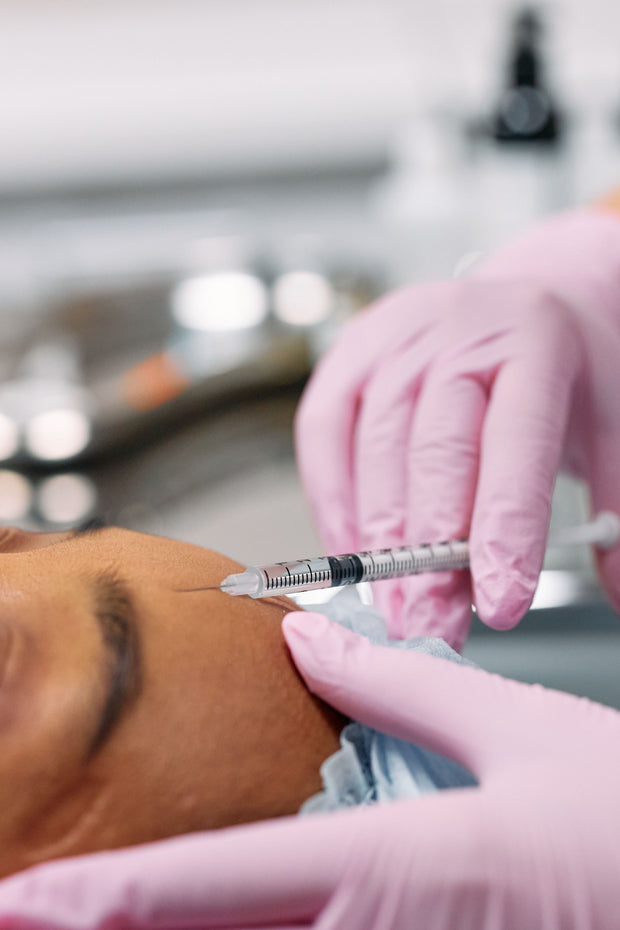
Microneedling, also known as percutaneous collagen induction therapy (PCI), is a minimally invasive dermatological procedure that utilises fine needles to create controlled micro-injuries in the skin. These micro-injuries trigger the body's natural wound-healing cascade, stimulating the production of collagen and elastin—the structural proteins essential for maintaining skin integrity, firmness, and elasticity.
Unlike ablative laser treatments that remove the epidermis, microneedling creates non-confluent puncture wounds that preserve the overall structure of the skin whilst initiating powerful regenerative processes in the dermis.
The Science of Collagen Induction Therapy
Understanding the physiological mechanisms behind microneedling is crucial for optimising treatment protocols and managing patient expectations.
The Three Phases of Wound Healing
Phase 1: Inflammation (Days 1-3)
The controlled micro-injuries trigger an immediate inflammatory response. Platelets and neutrophils release growth factors including platelet-derived growth factor (PDGF), transforming growth factor-alpha and beta (TGF-α, TGF-β), connective tissue growth factor (CTGF), and fibroblast growth factor (FGF). This initial phase prepares the tissue for repair by clearing debris and establishing the foundation for new tissue formation.
Phase 2: Proliferation (Days 3-5)
Monocytes release additional growth factors that stimulate fibroblast migration and proliferation. These cells begin producing collagen Type III, elastin, glycosaminoglycans, and proteoglycans. A fibronectin matrix forms within approximately five days, providing the scaffold for organised collagen deposition. Neovascularisation also occurs during this phase, enhancing blood supply to the treated area.
Phase 3: Remodelling (Day 5 onwards)
The provisional Type III collagen gradually transforms into more organised, stronger Type I collagen—a process that continues for several months. Matrix metalloproteinases (MMPs) remodel the extracellular matrix, breaking down old, damaged collagen whilst new collagen fibres are deposited in a more organised pattern. This remodelling can persist for 5-7 years, contributing to ongoing improvements in skin texture and firmness.
Additional Mechanisms of Action
Beyond the classic wound-healing cascade, microneedling exerts therapeutic effects through several additional mechanisms. The needles mechanically break down scar tissue and fibrous strands, allowing revascularisation of scarred areas. In treating hyperpigmentation, microneedling induces keratinocyte turnover and helps restore normal melanocyte activity at the dermal-epidermal junction.
Research also suggests that the electrical potential changes induced by needle penetration (rising from approximately -70mV to -100mV) may contribute to enhanced cellular activity and growth factor release—essentially triggering a healing response without creating a true wound.

Why SkinPen Precision?
SkinPen Precision holds the distinction of being the first microneedling device to achieve both FDA clearance and CE marking, establishing it as the global benchmark for safety and efficacy in medical-grade microneedling.
Regulatory Status and Clinical Evidence
The FDA clearance (510(k) K202243) confirms SkinPen Precision's safety and effectiveness for treating facial acne scars in adults aged 22 years and older across all Fitzpatrick skin types (I-VI), and for improving the appearance of neck wrinkles in Fitzpatrick types II-IV. In clinical trials, 90% of patients reported improvement in acne scar appearance at six months post-treatment, with 94% observing improvement in neck wrinkles at one month.
Device Features
• Adjustable depth settings from 0.25mm to 2.5mm
• ActiSine™ technology eliminating the risk of needle scratching or dragging
• Single-use, sterile cartridge units for infection control
• Needles validated to remain sharp for at least 80 minutes during scar tissue treatment
• Interactive Digital Display for intuitive guidance throughout treatment
Safety Across All Skin Types
One of microneedling's most significant advantages is its safety profile across all Fitzpatrick skin types, including skin of colour (types IV-VI). Unlike laser treatments that carry elevated risks of post-inflammatory hyperpigmentation (PIH) in darker skin tones, microneedling does not rely on light or heat energy, making it an inclusive treatment option.
Research published in the Journal of the American Academy of Dermatology and multiple subsequent studies have confirmed microneedling's favourable safety profile in pigmented skin, with minimal risk of dyspigmentation when appropriate protocols are followed.
Considerations for Higher Fitzpatrick Types
• Consider pre-treatment with topical vitamin A and C for 2-4 weeks to optimise healing
• Use conservative depth settings initially, particularly for pigmentation concerns
• Emphasise strict sun protection pre- and post-treatment
• Monitor for signs of PIH at follow-up appointments
• Consider longer intervals between treatments if any pigmentary changes are observed
Enhanced Transdermal Drug Delivery
A significant advantage of microneedling is its ability to enhance transdermal drug delivery. The microchannels created by the needles bypass the stratum corneum, allowing for significantly improved penetration of topical agents such as serums, growth factors, and other active ingredients. Studies have shown microneedling can cause up to 47% widening of the follicular infundibulum, further enhancing product absorption.
This synergistic effect makes microneedling an excellent adjunctive therapy when combined with appropriate topical treatments, potentially amplifying clinical outcomes beyond what either treatment achieves alone.
Treatment Considerations and Contraindications
Pre-Treatment Preparation
• Conduct thorough patient assessment including medical history and skin type classification
• Discuss realistic expectations and the need for multiple treatment sessions
• Consider pre-treatment skincare optimisation with vitamins A and C
• Ensure informed consent is obtained
Contraindications
• Active skin infections or open wounds
• Active acne breakouts in the treatment area
• History of keloid scarring (relative contraindication)
• Pregnancy (precautionary)
• Use of isotretinoin within the past 6 months
• Active eczema or psoriasis in the treatment area
• Immunocompromised states
Anatomical Safety
The orbital rim represents a no-treatment zone for microneedling. Practitioners should be aware of superficial nerve and vessel anatomy, including the supraorbital nerve, temporal branches, buccal branches, and marginal mandibular branches of the facial nerve. At treatment depths of up to 1.5mm, no adverse events relating to these structures were observed in SkinPen clinical studies.
Expected Outcomes and Recovery
Most patients experience mild erythema and sensitivity following treatment, similar to mild sunburn, which typically resolves within 24-72 hours. Treatment sessions generally last 30 minutes depending on the area treated.
Clinical improvement continues to develop over the weeks and months following treatment as collagen remodelling progresses. Studies demonstrate that collagen Type III deposited during the proliferative phase gradually transforms to Type I collagen, with skin tightening effects potentially persisting for 5-7 years.
Patient satisfaction rates are consistently high, with clinical trials reporting that 85-90% of patients are satisfied with their treatment outcomes and would recommend the procedure to family and friends.
Summary
Microneedling with SkinPen Precision represents a well-established, evidence-based treatment option for a wide range of aesthetic concerns. Its unique mechanism of stimulating the body's natural healing response, combined with its excellent safety profile across all skin types, makes it an invaluable tool in the aesthetic practitioner's armamentarium.
Success in microneedling depends on proper patient selection, adherence to evidence-based protocols, and appropriate depth selection for each indication and anatomical region. When performed correctly with medical-grade devices, patients can expect meaningful, lasting improvements in skin texture, tone, and appearance.
Free Resource: SkinPen Precision Treatment Protocols

Download our comprehensive quick-reference guide containing evidence-based treatment protocols for all SkinPen Precision indications, including depth settings by anatomical region, treatment intervals, and session recommendations.
References
1. Chopra K, et al. A Comprehensive Examination of Topographic Thickness of Skin in the Human Face. Aesthetic Surgery Journal. 2015;35(8):1007-1017.
2. Nedelec B, et al. Skin Research and Technology. 2016;22:263-275.
3. Alster TS, Li MKY. Microneedling of Scars: A Large Prospective Study with Long-Term Follow-Up. Plastic and Reconstructive Surgery. 2020;145(2):358-364.
4. Park KY, et al. Dermatol Surg. 2012;38:1823-1828.
5. Bayat A, McGrouther DA, Ferguson MW. Skin scarring. BMJ. 2003;326(7380):88-92.
6. Aust MC, et al. Percutaneous collagen induction therapy: an alternative treatment for scars, wrinkles, and skin laxity. Plast Reconstr Surg. 2008;121(4):1421-1429.
7. FDA 510(k) Clearance K202243. SkinPen Precision System.
8. Sheth V, et al. JAAD. 2010. Microneedling in skin of color: A review of uses and efficacy.
9. Fernandes D. Oral Maxillofacial Surg Clin. 2005;17:51-63.
10. Crown Aesthetics. SkinPen Precision Treatment Trainer Tool. 2022.
Disclaimer: This article is intended for educational purposes and is aimed at healthcare professionals. Treatment protocols should be adapted based on individual patient assessment and in accordance with local regulations. Always refer to the manufacturer's Instructions for Use (IFU) and Patient Labeling for complete guidance.
References
- Hou A, Cohen B, Haimovic A, Elbuluk N. Microneedling: A Comprehensive Review. Dermatologic Surgery. 2017;43(3):321-339.
- Efficacy and Tolerability of a Microneedling Device for Treating Wrinkles on the Neck. Aesthetic Surgery Journal. 2022;42(10):1154.
- Microneedling for non-cosmetic dermatologic conditions: a systematic review of efficacy and safety. Cureus. 2025.

Dr Emmaline Ashley
Aesthetic Doctor · GMC 7582958 · COO of Harley Supplies
Dr Emmaline Ashley is an aesthetic doctor and published researcher in aesthetic medicine, with peer-reviewed work spanning product safety, regenerative treatments and medical education. She is a member of the Acquisition Aesthetics clinical faculty.