
The Consultation That Converts: Structuring Your First Patient Appointment
Whatever else your marketing does, it can only get someone through the door. The consultation is where trust is won or lost, where safety begins, and where a curious enquiry becomes a patient who returns for years. Done well, it is also where the right people say yes — not because they have been sold to, but because they feel understood and confident in your hands.
Converting ethically is not about persuasion. It is about running a consultation so thorough and so honest that the decision becomes easy for the patients you can genuinely help — and clear for those you should turn away. A structure helps you do that consistently, every time, regardless of who walks in.
Lead with listening, not selling
Open by asking what has brought the patient in, in their own words, and let them finish. What bothers someone is often different from what they first ask for — a patient requesting lip filler may really be worried about looking tired or older than they feel. Understanding the underlying concern lets you recommend the right treatment rather than simply fulfilling an order, and patients can tell the difference immediately. The practitioner who listens is the one who is trusted.
Assess the whole face, not the request
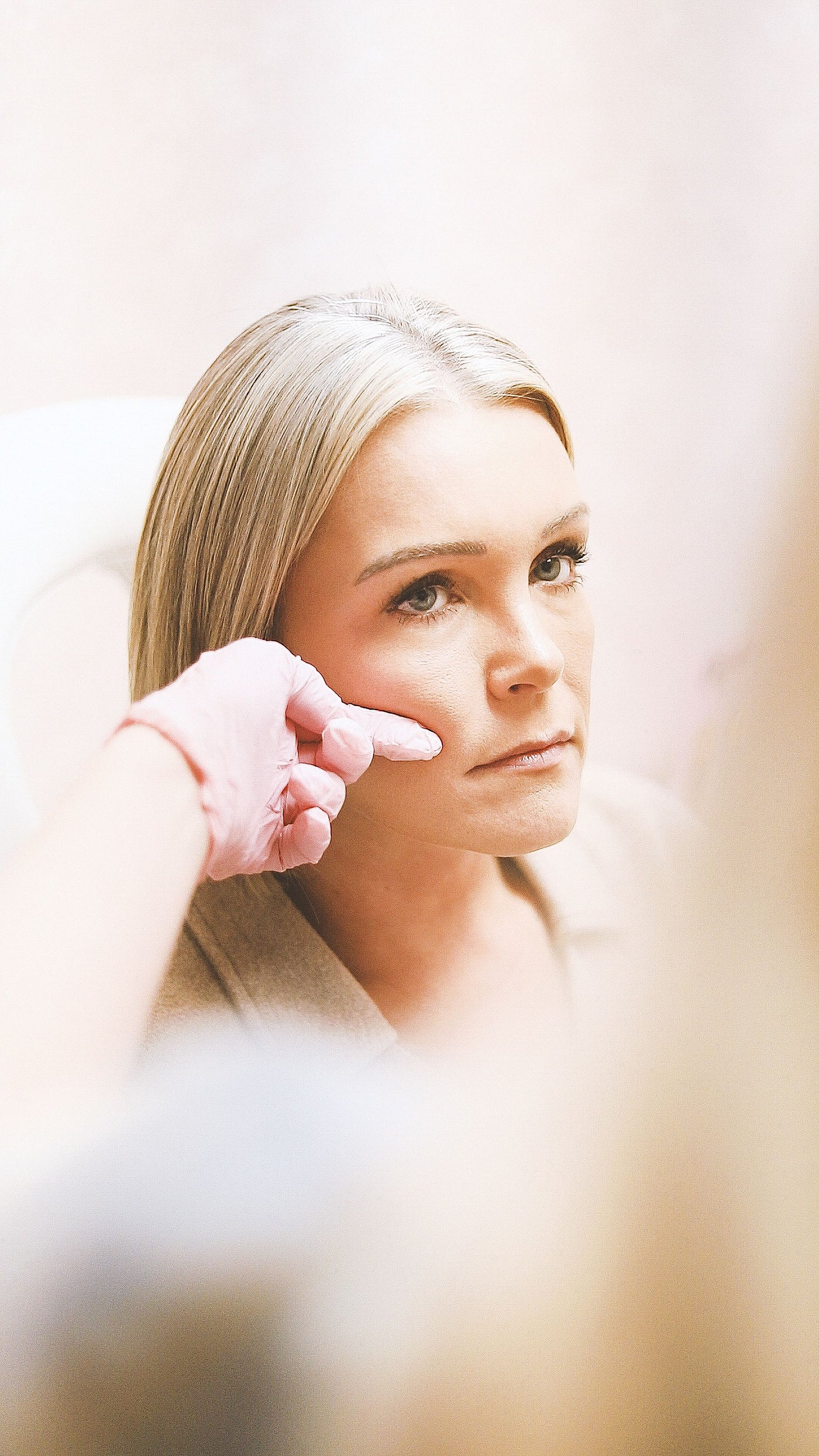
A good practitioner treats faces, not features. Assess proportion, symmetry, skin quality and how the areas relate to one another before settling on a plan. This is where your clinical judgement earns its value: you may see that the best result comes from a different, or more conservative, approach than the one requested. Explaining that assessment out loud is reassuring — it shows the patient you are thinking about their whole face and their long-term result, not just today’s sale.
Educate and set honest expectations
Most disappointment comes from a mismatch between expectation and reality. Explain what the treatment can and cannot do, how long it lasts, what recovery looks like, and how many sessions a real result may take. Be especially clear with regenerative treatments, which build gradually rather than appearing overnight. Patients who understand the plan are far happier with the outcome, complain less, and trust you more with the next step.
Be willing to say no
Nothing builds trust faster than declining to treat when it is not in the patient’s interest — whether the request is unrealistic, the timing is wrong, or there is a red flag in the history. Turning down inappropriate treatment protects the patient, protects you, and paradoxically makes people more likely to return, because they know your advice is honest. A clinic known for saying no when it matters is a clinic patients recommend.
Consent, cooling-off and clear next steps
Informed consent is not a signature at the end; it is the conversation itself, documented. Cover risks, alternatives and aftercare, give the patient room to ask questions, and — particularly for anyone hesitant or being treated for the first time — offer a cooling-off period rather than injecting on the spot. Finish every consultation with a clear plan: what you recommend, what it costs, and what happens next. Certainty is reassuring, and certainty is what converts.
Follow up
The consultation does not end when the patient leaves. A short follow-up message to check on results or answer questions turns a one-off treatment into a relationship, and it is where reviews, referrals and rebookings quietly come from. Build it into your process rather than leaving it to memory.
Master the consultation and much of the rest of your business takes care of itself. Listen first, assess properly, be honest about what you can and cannot do, and the right patients will choose you — and stay.
References
- Joint Council for Cosmetic Practitioners (JCCP). Standards for consultation, consent and cosmetic practice. jccp.org.uk.
- General Medical Council (GMC). Guidance for doctors who offer cosmetic interventions. 2016.

Dr Emmaline Ashley
Aesthetic Doctor · GMC 7582958 · COO of Harley Supplies
Dr Emmaline Ashley is an aesthetic doctor and published researcher in aesthetic medicine, with peer-reviewed work spanning product safety, regenerative treatments and medical education. She is a member of the Acquisition Aesthetics clinical faculty.